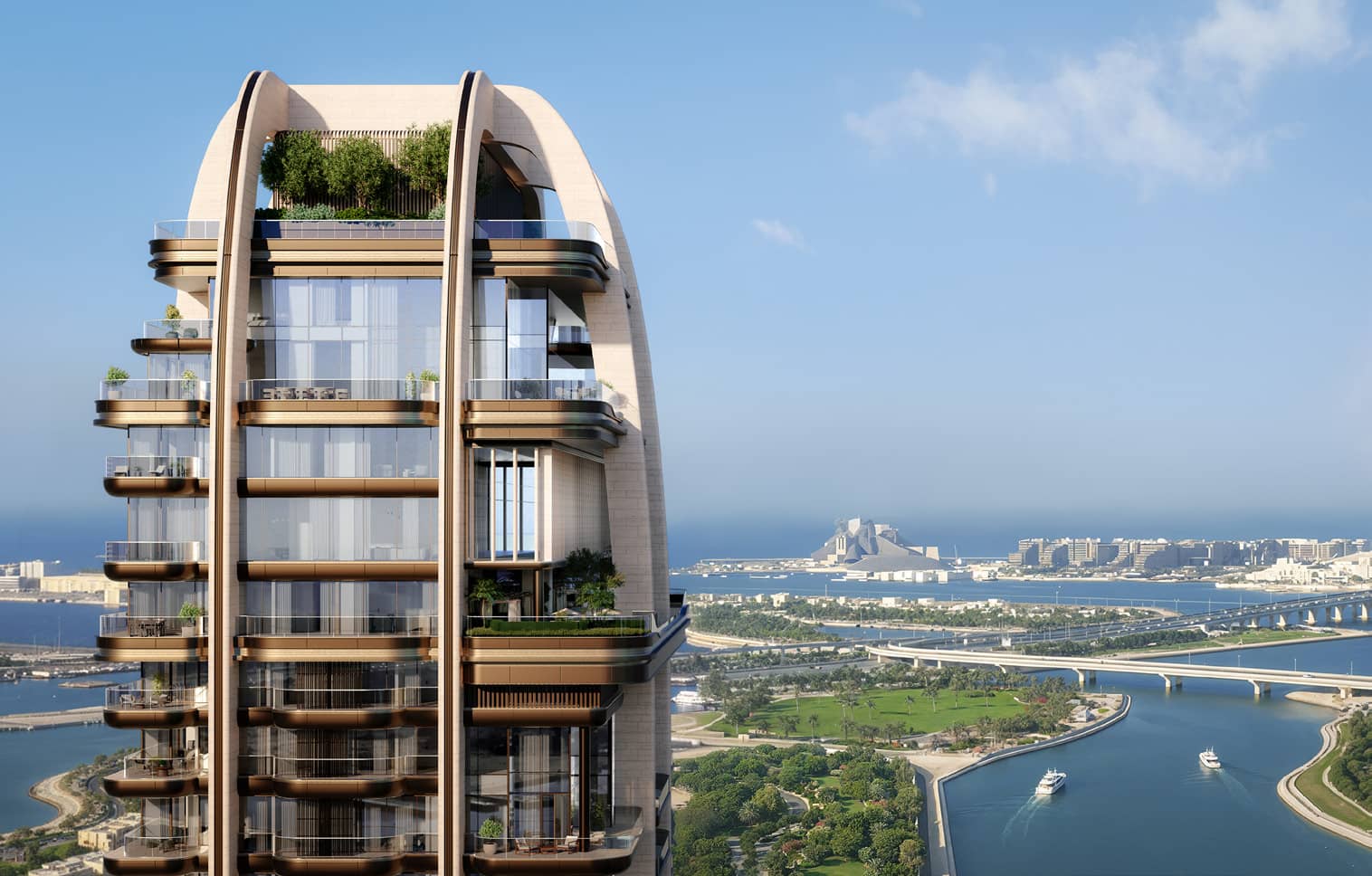
Dubai Real Estate Market Surges Post-Ceasefire: Client Deals Triple
Introduction
Following the de-escalation of tensions in the Middle East, Dubai's real estate market is showing strong signs of recovery. Immediately after the ceasefire was announced, activity among prospective buyers surged, with customer conversions tripling, clearly indicating a significant improvement in market sentiment. This article provides a detailed analysis of the latest trends and future outlook for the Dubai real estate market.
Ceasefire Announcement: A Catalyst for Market Recovery
According to Francis Alfred, Managing Director of leading real estate developer Sobha Realty, customer conversions tripled after a ceasefire involving the US and Iran was announced. This indicates that potential buyers who had been observing the regional situation are now re-entering the market.
Alfred stated:
- Return of "Wait-and-See" Buyers: Individuals who had previously hesitated to purchase are now actively participating in the market.
- Re-entry of International Investors: Overseas investors, having re-recognized the appeal of Dubai real estate, are also returning to the market.
This trend underscores the significant impact of regional stability on the real estate market.
Confidence of Long-Term Investors
One of the strengths of Dubai's real estate market is the prevalence of long-term investors who are not swayed by short-term geopolitical events. Alfred emphasized that long-term investors in Dubai prioritize future growth and potential over temporary occurrences.
This unwavering confidence forms the foundation supporting the market's stability and resilience.
Major Developer Strategies and Market Outlook
Building on its success in Dubai, Sobha Realty plans to expand into project development in Abu Dhabi. The company has established its market position by deeply understanding customer needs and delivering high-quality properties.
Furthermore, the company's financial strength is noteworthy. A significant portion of its construction funding comes from escrow accounts that secure customer payments and from its own capital, characterizing its low reliance on additional borrowing. Such financial stability is considered an advantage for major developers over smaller ones in the current market environment.
Conclusion
As of April 19, 2026, the Dubai real estate market is experiencing a rapid recovery, triggered by the de-escalation of regional tensions. The threefold increase in customer conversions is clear evidence of restored confidence among prospective buyers. The presence of long-term investors and the robust strategies of financially stable major developers are expected to support the sustained growth of the Dubai real estate market going forward.