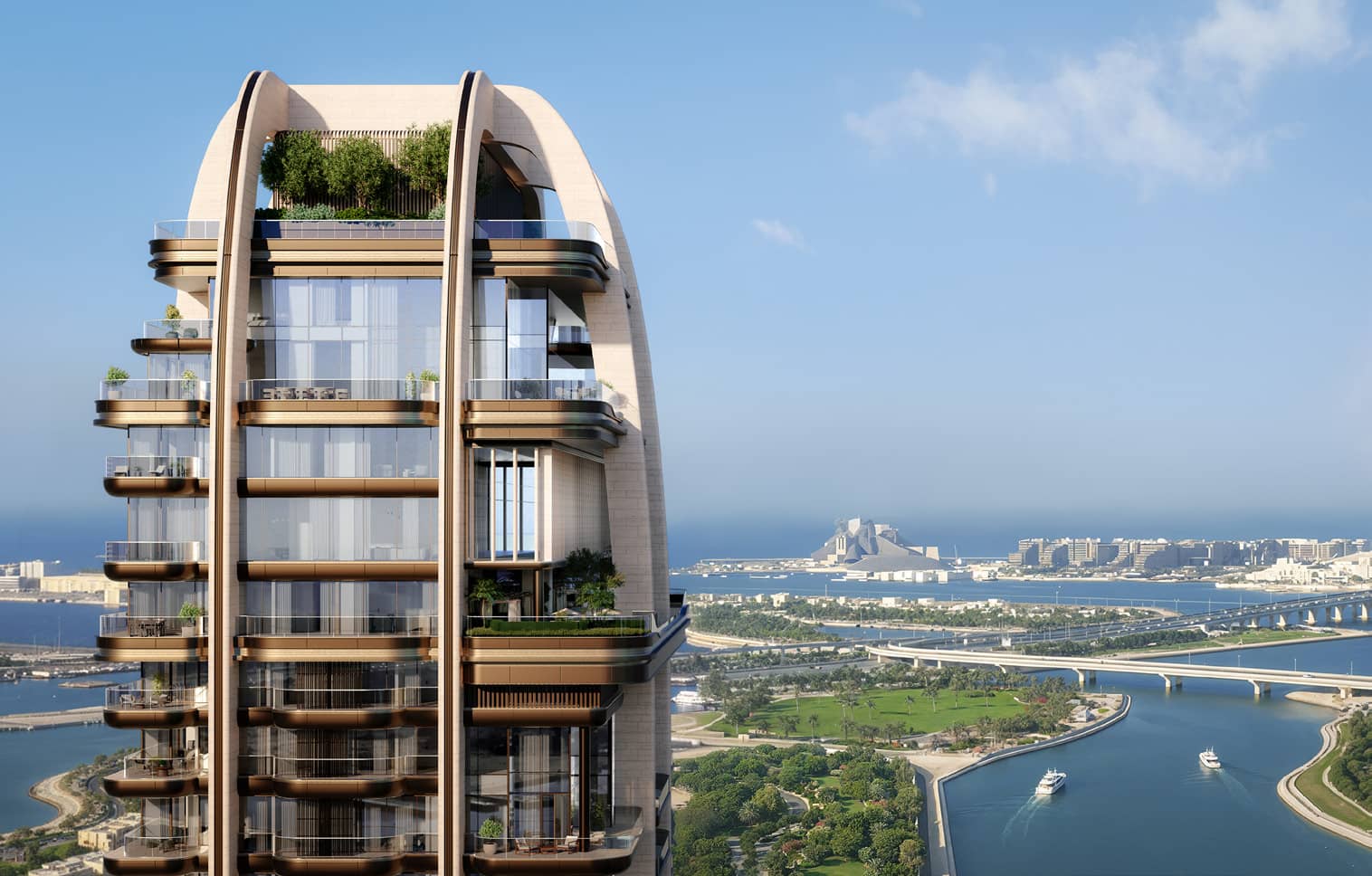
Paris Mandates 'Green Roofs' for Office-to-Residential Conversion Projects - The Future of Urban Development Seen Through Dubai's Innovation
Introduction
Paris, the capital of France, has introduced new regulations to address the serious challenge of rising urban temperatures. The new mandate requires the installation of "green roofs" for all new projects converting office buildings into residential properties. This article details this new law and, through a comparison with initiatives in advanced cities like Dubai, discusses future trends in urban development and real estate investment.
Paris's New Environmental Regulation: Mandatory Green Roofs
Paris is grappling with a large number of aging buildings and severe summer heat. To counter this, the city is promoting a more natural approach to cooling buildings. The recently introduced law is a concrete measure to achieve this.
Key Provisions of the New Law
This law requires that roofs of buildings being converted from offices to residences must include one of the following:
- At least 40% of the roof area covered with plants
- Installation of high-efficiency solar panels
This initiative is expected to modernize the Parisian landscape while offering residents numerous benefits, such as natural insulation and improved air quality in surrounding areas.
Global Trends and Dubai's Progressive Initiatives
Paris's move is part of a global trend among major cities to tighten regulations in response to environmental issues. However, this development also highlights the competitive advantage held by markets like the United Arab Emirates (UAE).
While Paris is mandating costly retrofitting on historic structures to meet climate goals, Dubai has embraced "sustainability" as a core pillar from the initial stages of urban construction. For instance, projects such as the following demonstrate that Dubai is years ahead of European cities:
- Dubai Green Spine: A plan to create a green axis within the city
- Mandatory solar glass: Requiring photovoltaic glass on all new high-rise buildings
- Planned micro-forests: Strategically placed small forests for urban cooling
- Heat-reflective paving: Special paving to reduce surface temperature increases
Dubai's infrastructure is designed for high efficiency from the outset, rather than requiring expensive and complex retrofits later. This approach helps avoid risks to the structural integrity of buildings and prevents increased maintenance costs.
Investor Focus: Costs and Stability
Investors are closely monitoring how France's new regulations will impact overall development costs. The mandatory green roofs could place a significant burden on residential projects in terms of initial expenses and ongoing management.
In contrast, the Dubai market maintains high resilience and stability due to its balance of high-tech sustainability and cost-effective management practices. The case of Paris suggests that markets planned for the future before a crisis are the safest real estate investments. Dubai continues to lead global urban development through its visionary leadership and rapid adoption of smart technologies.
Conclusion
Paris's introduction of mandatory green roofs is an important step towards addressing climate change. However, it is also a retroactive solution to existing challenges. Meanwhile, Dubai, by integrating sustainability into urban planning from the ground up, is creating a more stable and growth-oriented investment environment. Understanding these differences in urban approaches is crucial for future-oriented real estate investment.
Reference Article
Paris Mandates Green Roofs for All Office-to-Residential Projects