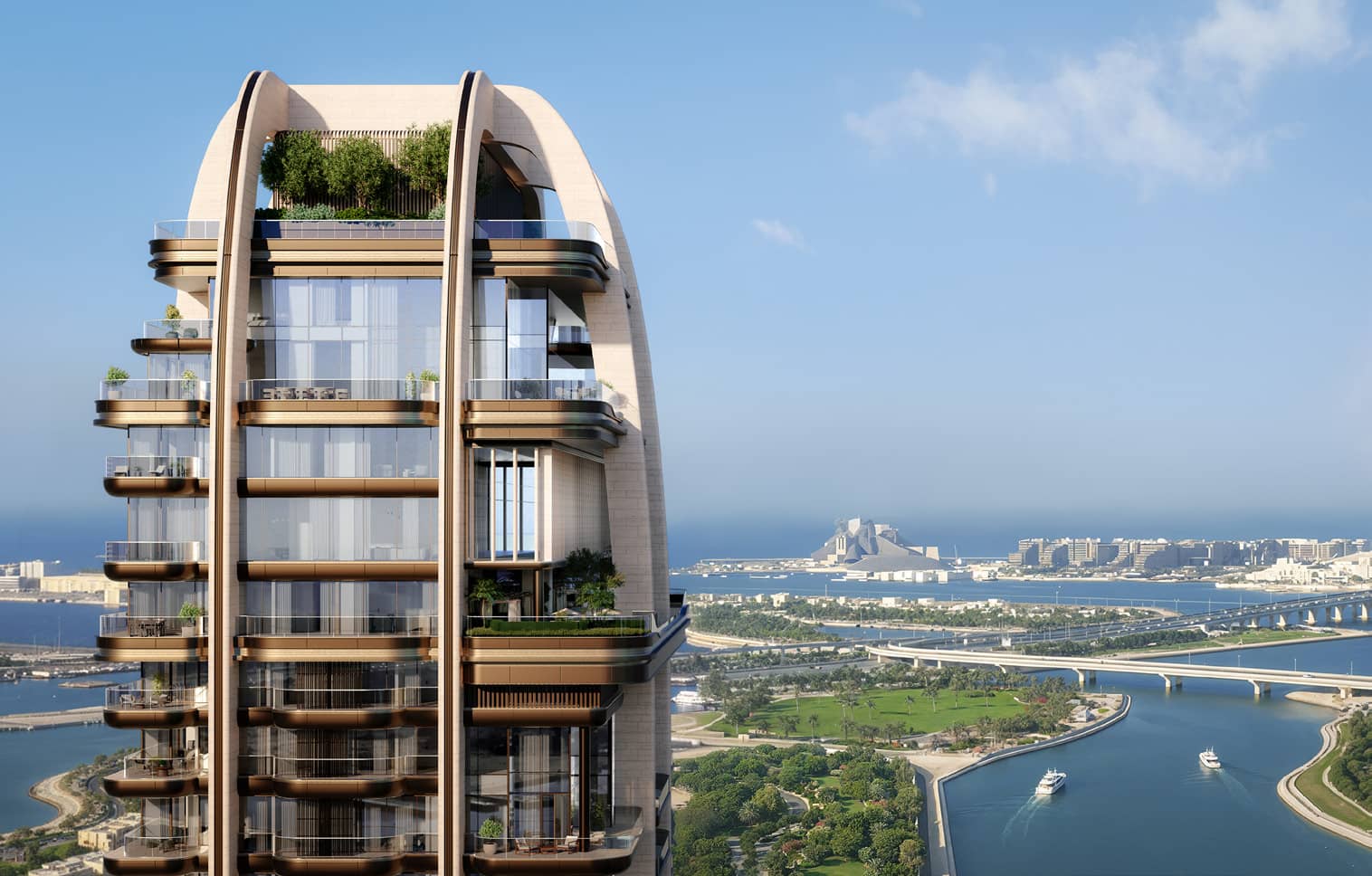
Q1 2026 UAE Real Estate Market Update: Analyzing Contrasting Trends in Dubai and Abu Dhabi
Introduction
The UAE (United Arab Emirates) residential property market in Q1 2026 demonstrated overall resilience, despite geopolitical uncertainties impacting investor sentiment, leading to slower transaction activity and a more moderate pace of price growth. This article will clarify the contrasting trends observed in the UAE real estate market at the beginning of 2026, focusing primarily on market developments in Dubai and Abu Dhabi.
Overview of the UAE Residential Market in Q1 2026
According to data from research firm JLL, the UAE real estate market in Q1 2026 showed resilience, recovering from a temporary downturn caused by heightened regional tensions. In Dubai, in particular, weekly transaction values temporarily plummeted by nearly 50% at the peak of the disruption but subsequently stabilized as market confidence cautiously recovered.
During this period, distinct movements were evident across different sectors of the UAE real estate market:
- Hospitality sector (e.g., hotels): Faced significant challenges
- Residential, industrial, and logistics sectors: Demonstrated resilience
Government incentives and agile corporate strategies have mitigated short-term pressures, and the market's strong fundamentals and investor confidence are expected to underpin overall economic stability and a solid recovery as the situation normalizes.
Detailed Analysis of the Dubai Market
In Dubai's residential market, varying trends were observed across different categories.
Off-Plan Sales Robust, Secondary Market Cautious
In Q1 2026, Dubai saw off-plan (pre-development properties) sales increase by 9.5%, driven by sustained investor demand. Conversely, transactions in the secondary property market decreased by 8.2%, highlighting a cautious approach from buyers. This suggests strong interest in new projects, but a wait-and-see attitude prevails in the buying and selling of existing properties.
Slowdown in Price Growth: Market in a Correction Phase
Despite the dip in transactions, residential property prices continued to rise, but at a more moderate pace. Dubai's annual residential price growth rate settled into the 8%-12% range, down from previous double-digit surges of up to 19%. This is perceived as a sign that the market is gradually normalizing from an overheated state, moving towards more sustainable price levels.
Abu Dhabi Market Trends
Similarly, Abu Dhabi also saw divergent movements within its market. While the launch of new projects more than doubled transaction volumes year-on-year, monthly activity softened towards the end of the quarter. This indicates that new supply boosted market activity, but overall momentum is starting to ease.
New Developments in the Rental Market
In the rental market, a cautious stance among tenants has become more pronounced.
- Preference for Short-Term Contracts: In both Dubai and Abu Dhabi, tenants are seeking greater flexibility, and short-term rental agreements are becoming more common.
- Increase in New Rental Contracts in Abu Dhabi: While overall rental contract registrations decreased in Abu Dhabi, new contracts increased by 13.4%. This suggests that tenants are not exiting the market but rather relocating to properties with better conditions.
Outlook and Supply Plans
In response to softening demand, real estate developers are offering limited incentives, such as discounts and flexible payment terms, particularly for existing inventory properties. However, this is a measure limited to specific segments rather than a market-wide price correction.
On the supply side, approximately 59,000 residential units are projected to be completed across the UAE in 2026, though supply chain disruptions could potentially affect schedules.
Summary: Market Entering a 'Correction Phase'
While risks related to regional stability and investor confidence persist, the overall outlook suggests that the UAE residential market is entering a 'correction phase' rather than a downturn. Strong market fundamentals and sustained demand from both investors and end-users are expected to support the market.
Conclusion
The UAE real estate market in Q1 2026 is transitioning into a correction phase, adapting to changes in the external environment. In Dubai, investment interest in off-plan properties continues, while the secondary and rental markets show a cautious stance. New projects drove the market in Abu Dhabi. It will be crucial to continue monitoring market trends.
Reference Article
UAE residential property market shows divergent trends in Q1 - Khaleej Times