Will Dubai Rents Fall? Latest Rental Market Trends and Key Areas to Watch for 2026
Introduction
Dubai's real estate rental market has experienced remarkable growth in recent years, but signs of change are now emerging, particularly in some key districts with a high concentration of apartments. By 2026, an increase in new housing supply is predicted to intensify competition among landlords, potentially creating a more favorable situation for tenants.
This article will explain the background of the anticipated changes in Dubai's rental market and highlight areas of particular interest, using clear and easy-to-understand language without technical jargon.
Signs of Change in Dubai's Rental Market: The Impact of New Property Supply
The most significant factor driving these market changes is the continuous construction and supply of apartments across Dubai's rapidly expanding communities. The introduction of a large volume of new properties into the market is expected to adjust the balance between supply and demand.
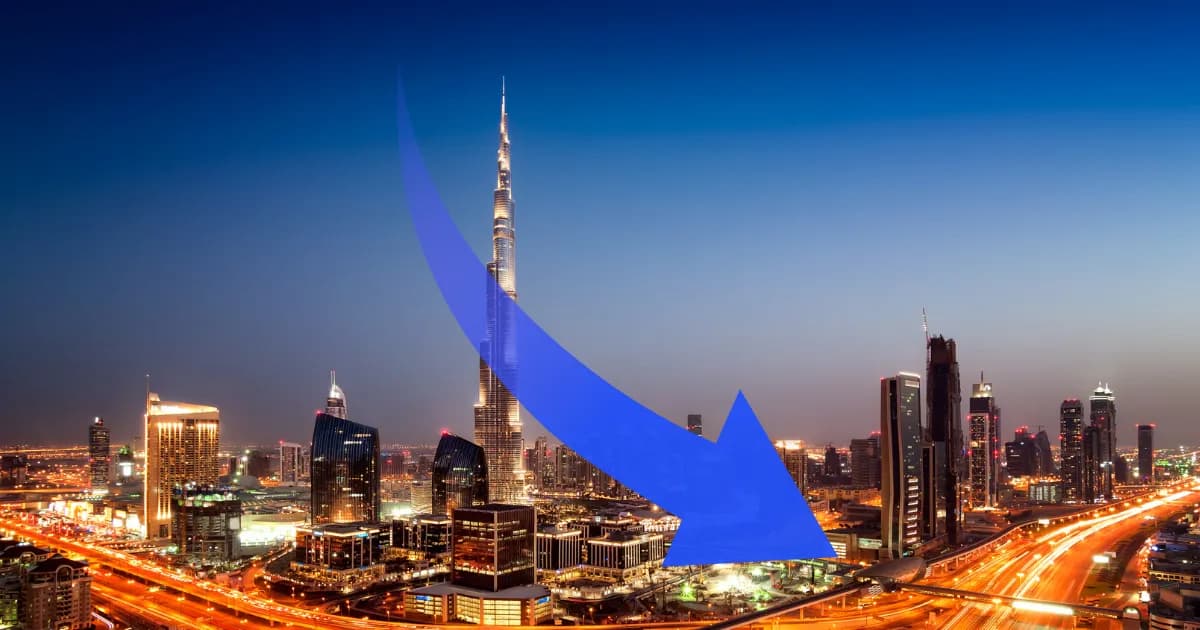
This adjustment typically encourages competition among property owners in their pricing, consequently increasing the likelihood that tenants can rent properties under more favorable terms. In other words, with more options available, rent growth may moderate, and it could become easier to secure rental agreements with better conditions.
Three Areas to Watch
The following three areas, where large-scale residential developments are underway, are predicted to be particularly affected by this market adjustment:
These districts are popular among those seeking relatively affordable properties within well-planned communities with good transportation links.
- Jumeirah Village Circle (JVC)
- Arjan
- Dubai Silicon Oasis (DSO)
The continuous completion of projects in these areas, combined with attractive amenities and infrastructure, positions them at the forefront of market changes.
Outlook and Opportunity for Tenants
The anticipated moderation in rent growth in specific areas stands in contrast to the robust rent increases seen across much of Dubai in recent years. While overall housing demand in Dubai remains strong, the concentrated supply of apartments in particular districts is creating localized situations where tenants hold a more advantageous position.
This could present an excellent opportunity for individuals and families to secure more competitive rental agreements. Landlords may find themselves compelled to offer more attractive terms or additional incentives to maintain occupancy rates amidst a growing number of choices.
This trend does not indicate a market-wide downturn but rather a targeted adjustment within specific segments. It reflects the evolution of Dubai's real estate sector into a balanced and mature market that can accommodate population growth.
Conclusion
Dubai's rental market is approaching a turning point, especially in areas like JVC, Arjan, and DSO, due to a large influx of new properties. Leading up to 2026, rent growth in these districts is predicted to moderate, creating a favorable situation for tenants.
This is part of the market's healthy maturation process, and it would be worthwhile for those seeking rental properties in Dubai to keep a close eye on future trends.
Reference Article
Dubai Rental Market Anticipates Moderate Rent Adjustments Amidst New Supply Pipeline